Understanding NLP and ML in Transcription - Ai Clinical Scribe
Ai Clinical Scribe
March 27, 2025
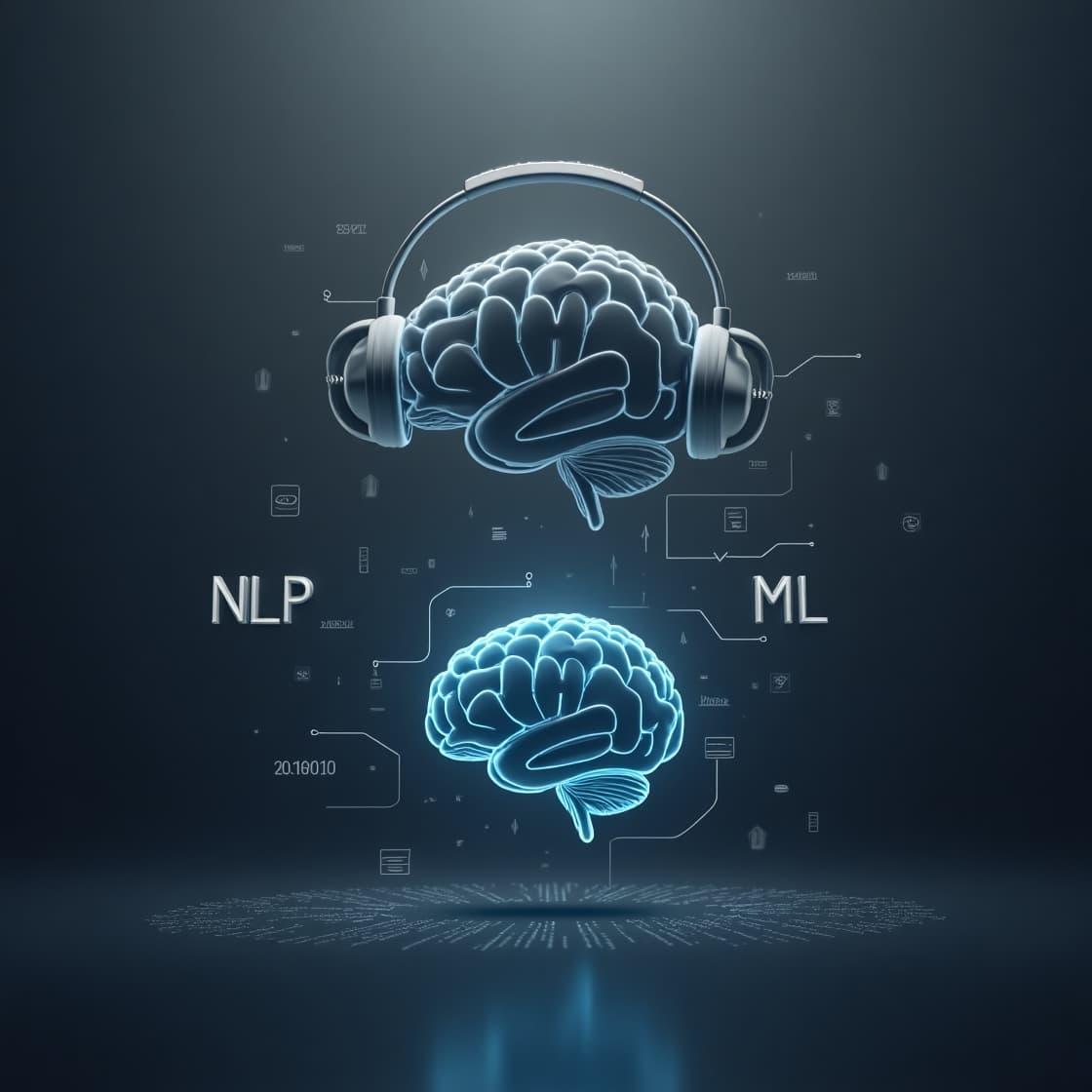
What is Natural Language Processing (NLP)?
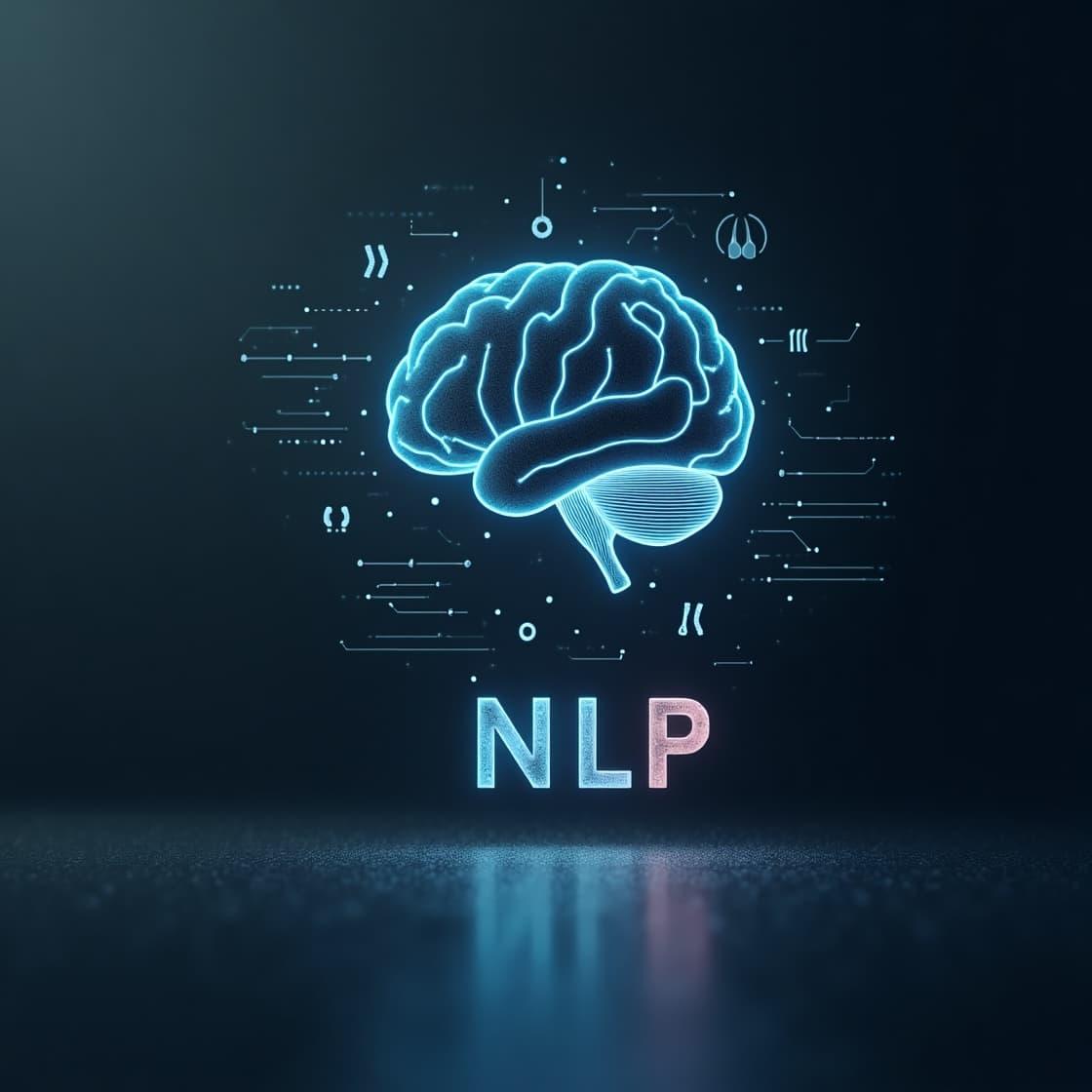
Natural Language Processing (NLP) is a branch of artificial intelligence (AI) that focuses on enabling machines to understand, interpret, and generate human language. NLP bridges the gap between human communication and computer comprehension, allowing AI systems to process text and speech effectively.
Key Components of NLP
NLP consists of several essential components, including tokenization, part-of-speech tagging, named entity recognition, and sentiment analysis. These elements work together to break down language into its fundamental parts, making it easier for AI models to process and respond accurately.
Applications of NLP in AI Scribes
AI-powered medical scribes leverage NLP to transcribe, summarize, and analyze medical notes efficiently. This technology enables real-time documentation, reducing physician burnout and improving patient care by allowing healthcare providers to focus more on their patients rather than paperwork.
What is Machine Learning (ML)?

Machine Learning (ML) is a subset of AI that enables systems to learn from data and improve their performance over time without being explicitly programmed. It allows AI scribes to adapt and enhance their transcription accuracy based on continuous interactions.
Types of ML
Machine Learning can be categorized into three main types:
- Supervised Learning: The AI is trained on labeled data to recognize patterns and make predictions.
- Unsupervised Learning: The system identifies patterns in data without predefined labels.
- Reinforcement Learning: The AI learns by interacting with its environment and receiving feedback based on its actions.
Role of ML in AI Scribes
ML plays a crucial role in AI-powered documentation by improving transcription accuracy, predicting contextual meanings, and reducing errors. As the AI system processes more medical notes, it refines its understanding of medical terminology, patient histories, and physician preferences.
Other Key Technologies in AI Scribing
Speech Recognition
Speech recognition technology converts spoken words into text, allowing AI scribes to transcribe medical conversations in real-time.
Technologies and Techniques
AI Clinical scribes use deep learning models like recurrent neural networks (RNNs) and transformers to enhance speech recognition accuracy, even in noisy environments.
Applications in AI Scribes
Speech recognition enables seamless documentation of patient encounters, reducing the time physicians spend manually entering data.
Deep Learning
Deep learning is a subset of ML that uses neural networks to mimic human brain functions. It enhances AI scribes' ability to process complex language structures and medical terminology.
Technologies and Techniques
Deep learning models like GPT and BERT help AI scribes understand contextual language and improve transcription accuracy.
Applications in AI Scribes
Deep learning allows AI scribes to recognize nuanced medical speech, making them more efficient in transcribing conversations between doctors and patients.
Audio Processing
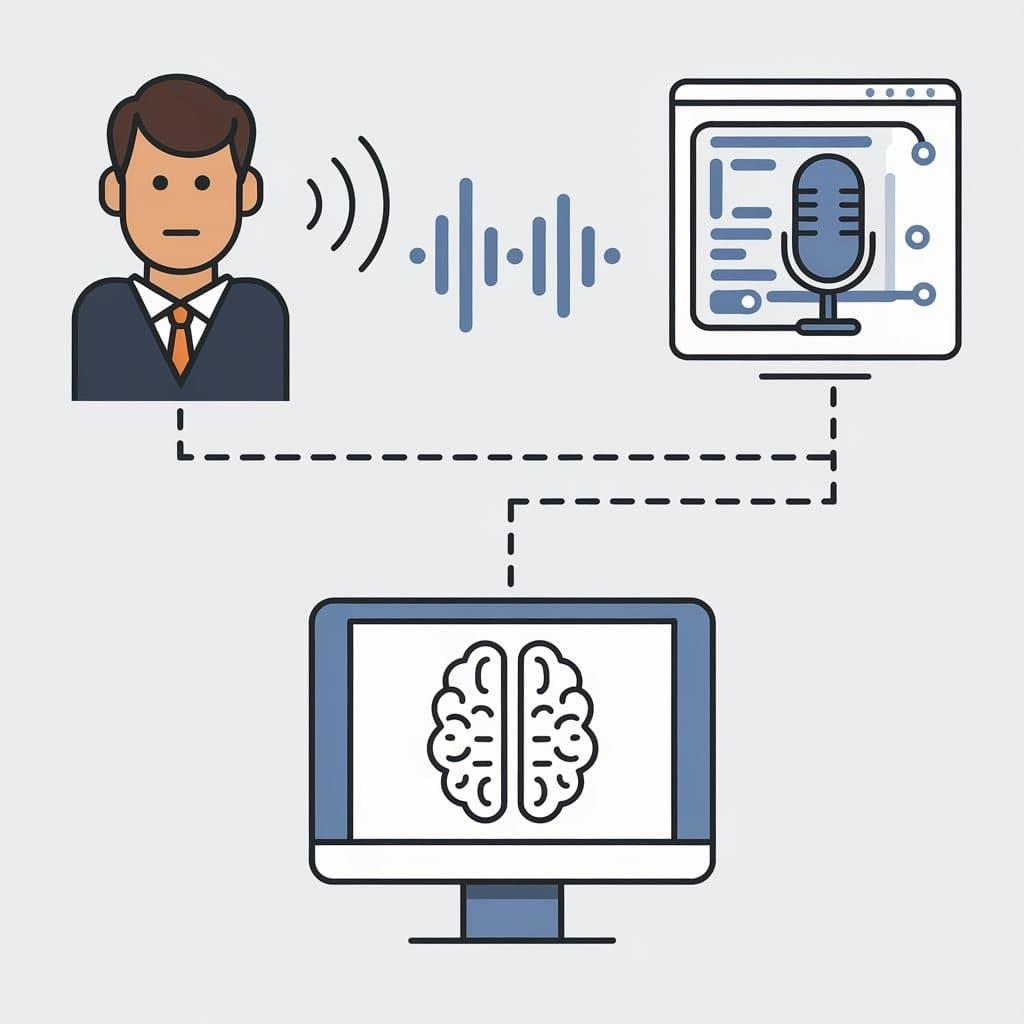
Audio processing focuses on improving the quality and accuracy of voice inputs for AI scribes.
Technologies and Techniques
Techniques such as noise cancellation, echo suppression, and frequency analysis help refine spoken words before transcription.
Applications in AI Scribes
Enhanced audio processing ensures clearer speech input, leading to fewer transcription errors and better accuracy in medical documentation.
Cloud Computing
Cloud computing enables AI scribes to process and store large volumes of medical data securely.
Technologies and Techniques
Cloud-based AI systems offer scalable storage and computing power, making real-time transcription possible.
Applications in AI Scribes
Cloud-based AI scribes provide easy access to patient records and allow seamless integration with electronic health record (EHR) systems.
Data Analytics
Data analytics helps AI scribes generate insights from transcribed medical records, improving healthcare decision-making.
Technologies and Techniques
Techniques like predictive modeling and trend analysis enable AI scribes to identify patterns in medical documentation.
Applications in AI Scribes
By analyzing past patient interactions, AI scribes can assist in identifying potential health risks and improving treatment plans.
Natural Language Generation (NLG)
NLG allows AI scribes to convert structured data into natural, human-like text.
Technologies and Techniques
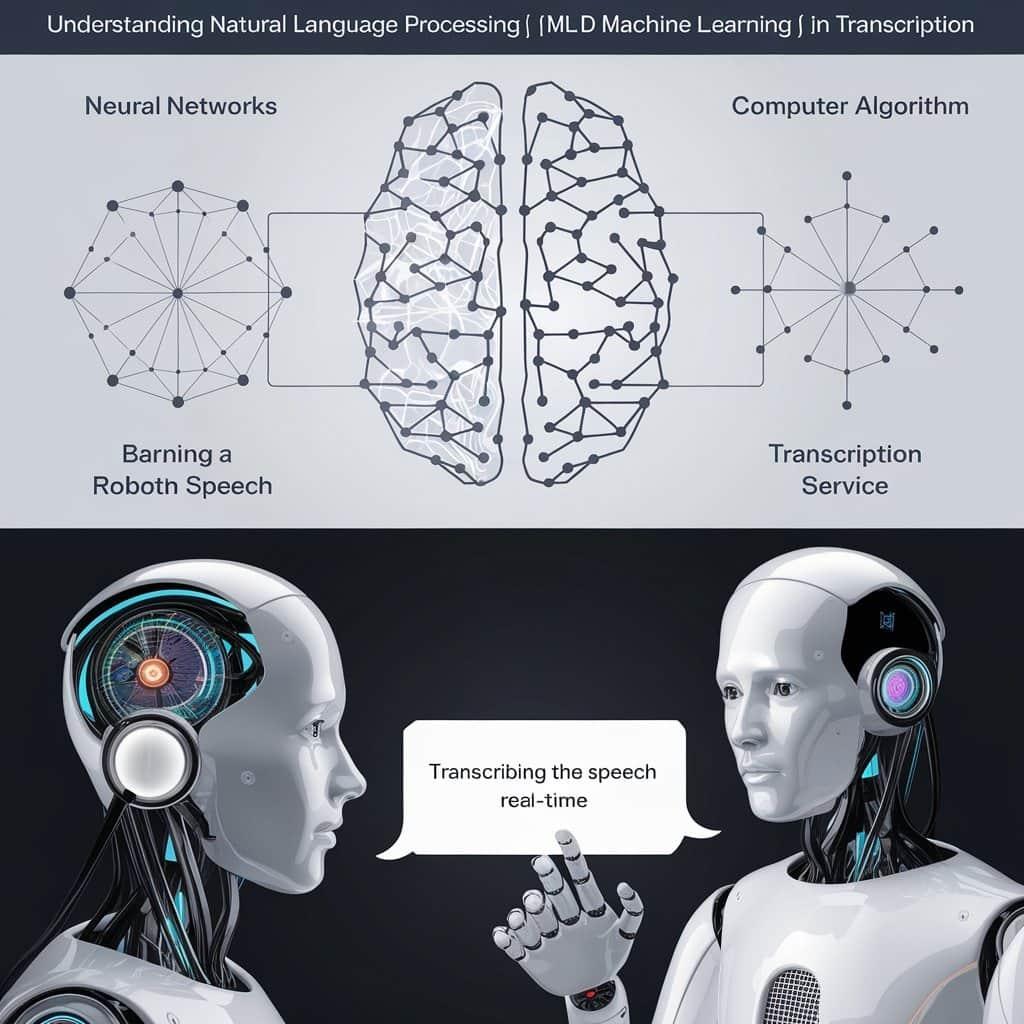
AI scribes use neural network-based language models to generate coherent and contextually relevant summaries.
Applications in AI Scribes
NLG enables AI scribes to create well-structured medical notes, reducing the documentation burden on healthcare professionals.
Security Technologies
Security technologies ensure the confidentiality and integrity of medical records processed by AI scribes.
Technologies and Techniques
Encryption, secure cloud storage, and multi-factor authentication protect sensitive patient data.
Applications in AI Scribes
AI scribes implement security measures to comply with healthcare regulations such as HIPAA, ensuring patient privacy.
How These Technologies Work Together in AI Scribes
AI scribes combine NLP, ML, speech recognition, and other technologies to deliver accurate, efficient, and secure medical documentation. These technologies work in harmony to enhance the transcription process and optimize healthcare workflows.
Benefits of Using AI Scribes
Increased Efficiency and Productivity
AI scribes automate time-consuming documentation tasks, allowing physicians to focus more on patient care.
Cost-Effectiveness
By reducing the need for manual transcription services, AI scribes help healthcare providers save money on administrative costs.
Scalability
AI scribes can handle high volumes of medical transcription efficiently, making them suitable for hospitals, clinics, and private practices.
Enhanced Data Security and Privacy
Advanced security protocols ensure that AI-powered transcription tools protect sensitive medical data from breaches.
Challenges and Limitations
Understanding Accents and Dialects
AI scribes may struggle with recognizing regional accents and variations in speech patterns.
Context and Nuance in Language
Medical conversations can be complex, requiring AI scribes to continuously improve their contextual understanding.
Continuous Need for Data and Model Updates
AI scribes require ongoing updates and training to maintain high transcription accuracy and relevance.
Future of AI Scribes
Advancements in NLP and ML
Ongoing research in NLP and ML will make AI scribes more intelligent and contextually aware.
Integration with Other AI Technologies
Future AI scribes will integrate with virtual assistants and predictive analytics tools to enhance their capabilities.
Potential Industry-Specific Developments
AI scribes will continue to evolve, offering specialized solutions for different medical fields such as radiology, oncology, and cardiology.
Leverage The Power of AI Transcription
AI scribes are transforming healthcare by streamlining documentation, improving accuracy, and enhancing productivity. As technology advances, these tools will become even more powerful, helping medical professionals provide better patient care while reducing administrative burdens.